Camino de Santiago

The Camino de Santiago de Compostela is the oldest and best-known network of pilgrimage routes in Europe, a UNESCO World Heritage Site and the first European Cultural Route. It ends at the Cathedral of Santiago de Compostela, in Galicia, Spain, where the remains of the Apostle James are kept — and where, in every Xacobeo Holy Year, pilgrims who pass through the Holy Door receive the plenary indulgence, one of the oldest rituals of the Christian faith still alive today. Thousands of people make the journey every year — on foot, by bicycle or on horseback — moved by faith, by a personal challenge or simply by the joy of the journey. Here you will learn what the Camino de Santiago is, where it is, what its routes are, and discover its history and the answers to the questions we all ask before setting out on this pilgrimage.

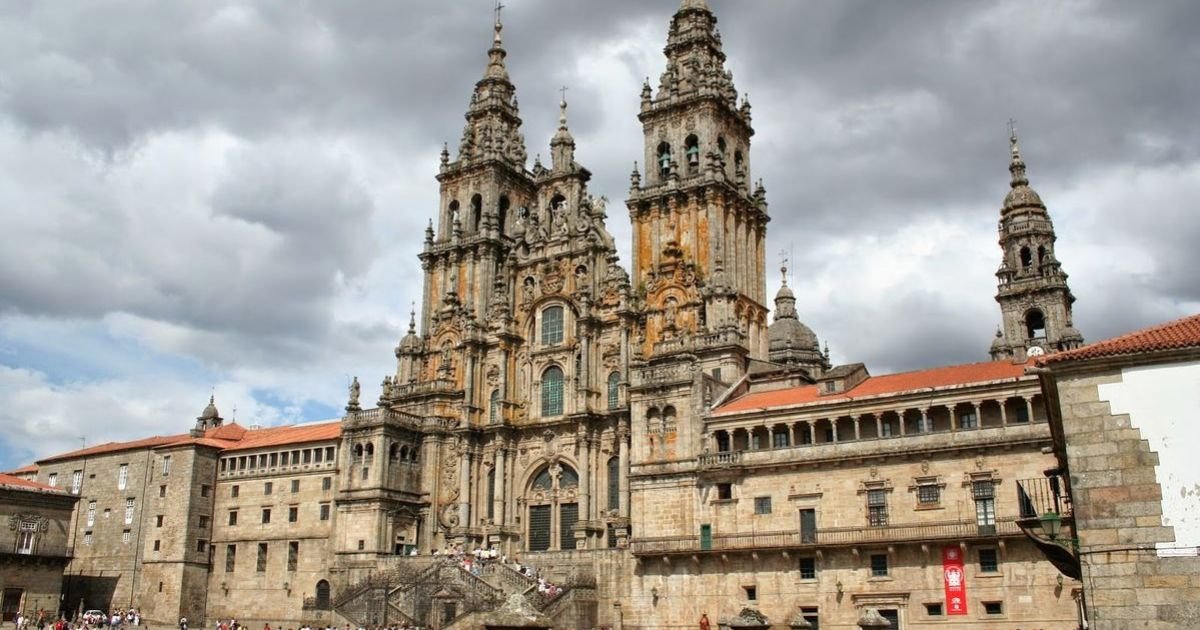
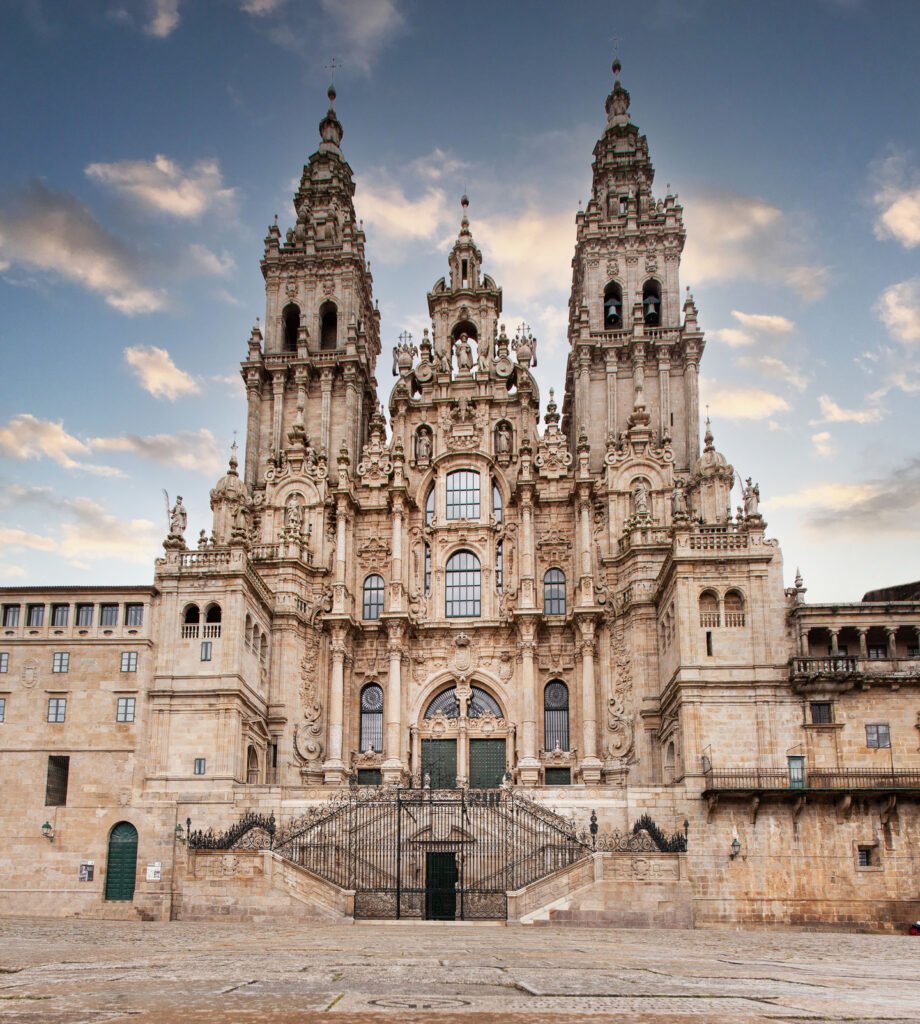
Santiago de Compostela Cathedral

More than a destination on the map, the Camino de Santiago de Compostela is a true inward journey, where every step turns tiredness into clarity and every kilometer walked becomes a deep inner discovery — revealing that the greatest transformation does not happen in the landscape around you, but in the essence of who you become.

Santiago de Compostela Cathedral

"The Camino de Santiago is long, but life is even longer without it."

Obradoiro Square in Santiago de Compostela

What is the Camino de Santiago de Compostela
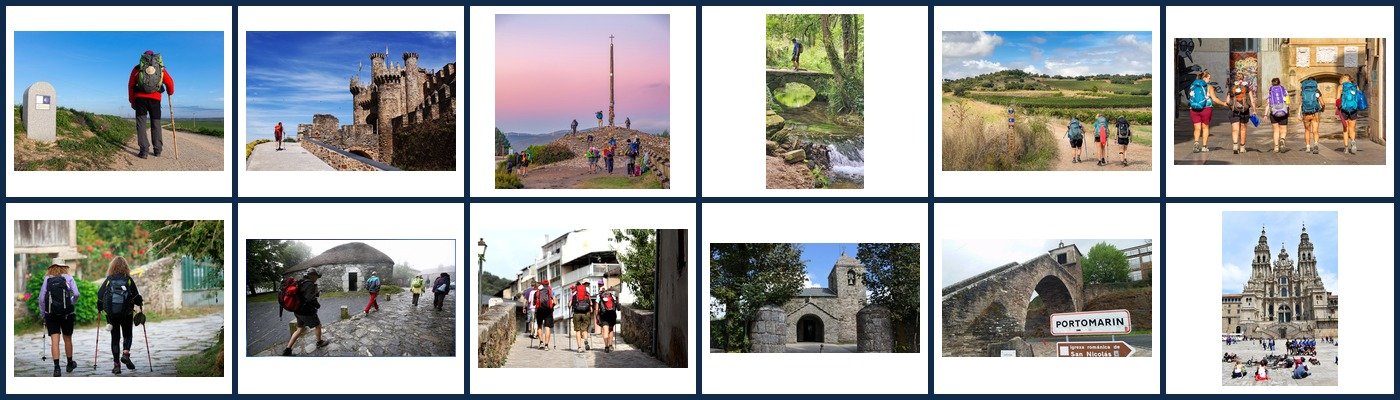
The Camino de Santiago de Compostela is a network of pilgrimage routes that crosses Europe and converges on a single destination: the Cathedral of Santiago de Compostela, in Galicia, in north-west Spain. Anyone who completes at least the last 100 km on foot (or 200 km by bicycle) receives, on arrival, the official pilgrimage certificate issued by the Cathedral — the Compostela, the same document pilgrims have received for more than a thousand years.

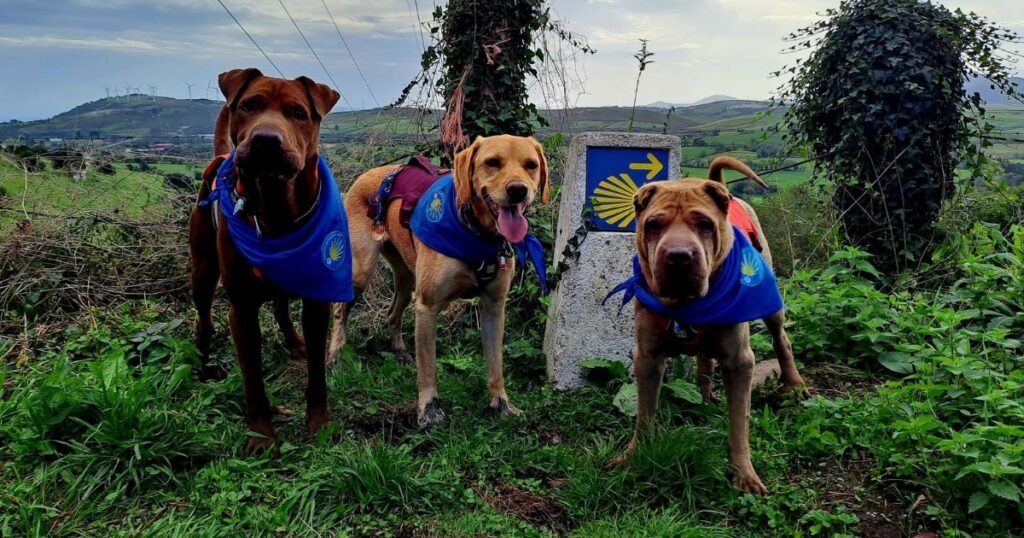
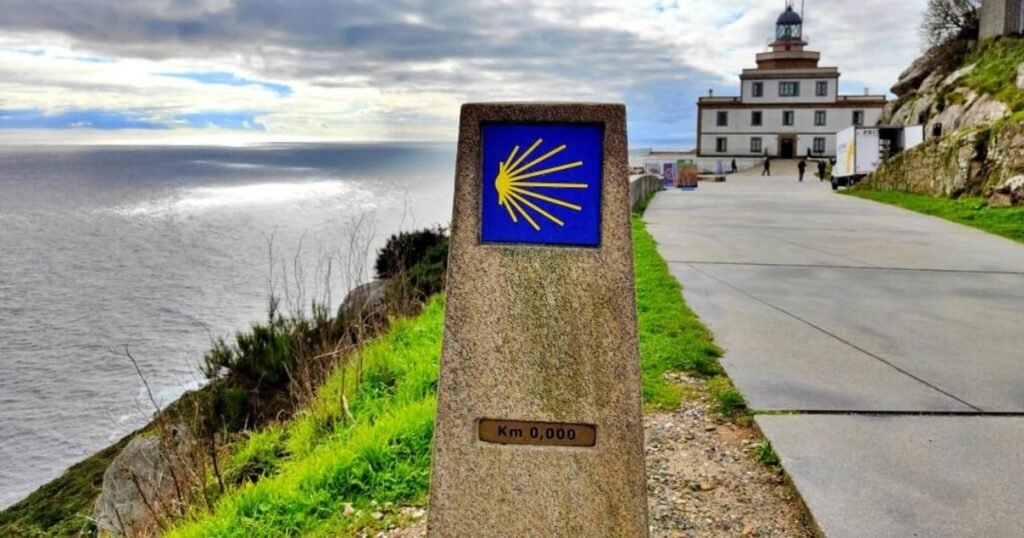
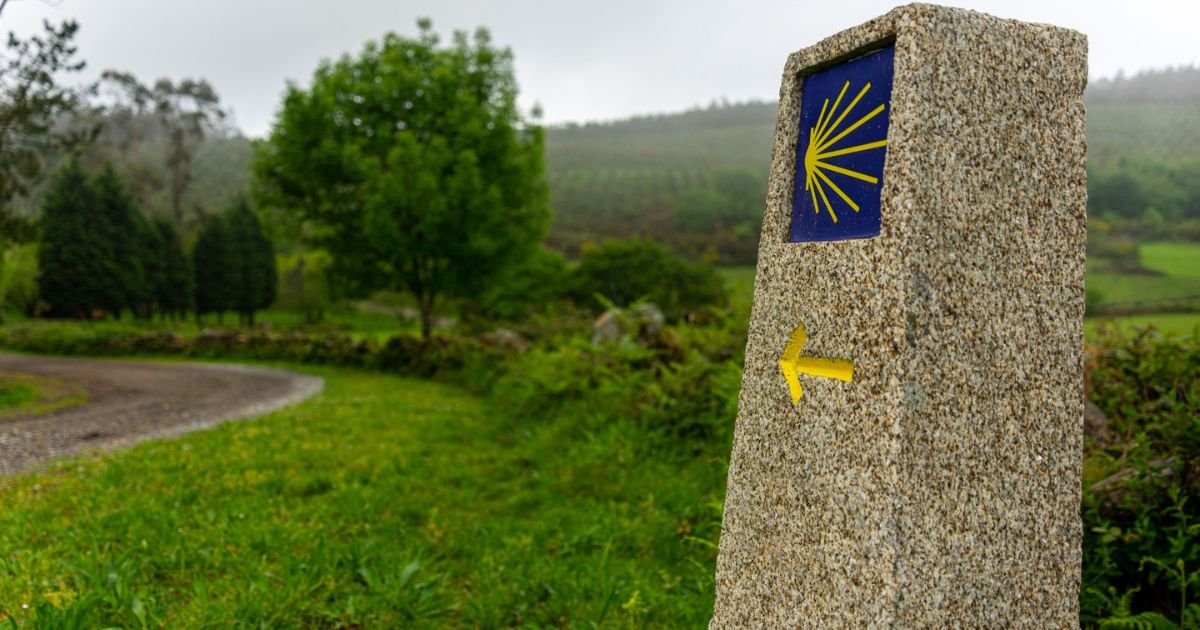
To earn it, every pilgrim carries the credencial, a kind of pilgrim passport stamped at albergues, churches and cafés along the way, and walks following the yellow shells and arrows that have marked the path since the Middle Ages. The pilgrim’s scallop shell is the most recognisable symbol of the Camino: it is on the stone waymarkers, on backpacks and, today, in the visual identity of Ultreya Travel.

Routes of the Camino de Santiago

The reasons for walking vary: faith, a personal promise, grief, a pause in life or simply the wish to walk for weeks in good company and beautiful landscapes. You do not need to be religious to walk the Camino: most people who walk it today do so for personal rather than strictly spiritual reasons. But for those who are, the Camino holds an extra meaning: in Xacobeo Holy Years such as 2027, passing through the Cathedral’s Holy Door grants the plenary indulgence, a pardon the Catholic Church reserves for rare moments in the sacred calendar. That is why pilgrims from all over the world make a point of walking in those very years — and it is also why Ultreya Travel has prepared its self-guided itineraries with the 2027 Holy Year in mind.

Camino de Santiago de Compostela

Choose your self-guided Camino de Santiago

We take care of everything: handpicked accommodation, luggage transfers and 24/7 support. All you need to do is walk.
Camino de Santiago de Compostela: one of the Three Great Pilgrimages of Christendom

Few people outside the Catholic world know it, but anyone who grew up in the faith has probably heard it at some point in catechism or confirmation classes: since the Middle Ages, the Catholic Church has recognized only three destinations as the Great Pilgrimages (peregrinationes maiores) of Christendom — the only routes for which the plenary indulgence was historically granted to those who completed them. They are:

  • Jerusalem, in the Holy Land, where Christ lived, died and rose again;
  • Rome, over the tombs of the Apostles Peter and Paul, seat of the Church;
  • and Santiago de Compostela, in Galicia, where the remains of the Apostle James the Greater rest.

Walking to Santiago de Compostela, then, is no ordinary pilgrimage: it is one of the three most sacred journeys a Catholic can undertake in a lifetime — alongside Jerusalem and Rome. But one difference makes it unique among the three: you arrive on foot. No flight, ship or train can replace the Camino — the walking itself, stage after stage, is part of the pilgrimage, not just the final destination. Perhaps that is why, of the three Great Pilgrimages, Santiago de Compostela is the one that most transforms those who live it: the tired body, the aching feet and the weeks on the road become part of the offering.

“The Camino de Santiago does not end; you carry it within you.”

Where is the Camino de Santiago de Compostela
Santiago de Compostela is the capital of Galicia, a region in the far north-west of Spain, washed by the Atlantic Ocean. It is there, in Obradoiro Square, facing the Cathedral’s façade, that every route of the Camino de Santiago de Compostela ends — often to the sound of Galician bagpipes, in a mixture of exhaustion and joy that only those who have walked can understand.

The Camino de Santiago de Compostela is not a single road: it is a web of historic routes crossing Spain, Portugal and France, each with its own starting point and landscape. The best known is the Camino Francés (French Way), which crosses northern Spain from east to west — from the vineyards of La Rioja to the endless greens of Galicia, with generous tables of cheese, wine and pulpo a la gallega at every stop. There are also the Camino Portugués (Portuguese Way), which comes up from Portugal, the Camino del Norte (Northern Way) along the Cantabrian coast, the Camino Primitivo (the original historic route, from Oviedo), the Camino Inglés (English Way) and the Vía de la Plata, among others. They all converge on the same place: Santiago de Compostela.

See all of Ultreya Travel’s Camino de Santiago tour packages on one page and choose yours.

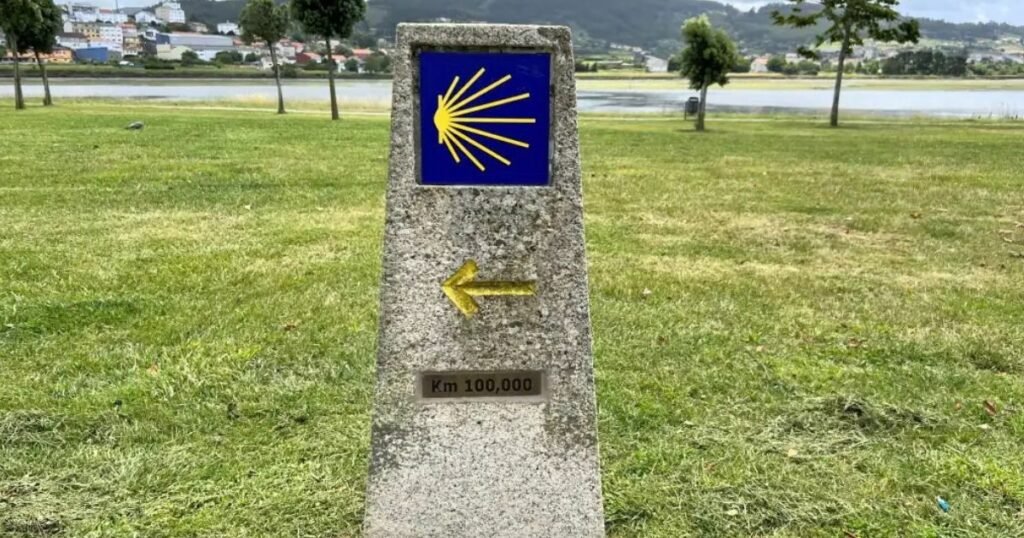
Yellow arrow waymarking the Camino de Santiago

“The yellow arrow always points to something more than the physical path.“

The Routes of the Camino de Santiago de Compostela

There is not just one Camino de Santiago de Compostela, but a fascinating web of Jacobean routes that set out from different points in Europe and converge on historic Santiago de Compostela. For travelers seeking a personal transformation combined with excellence, getting to know the options is the first step of the journey.

The historic Caminos de Santiago and their essence

Via da Prata
The longest and most silent journey of all, crossing the west of the peninsula from Seville through Spanish Extremadura. Ideal for contemplative souls ready for long distances and days of walking with little company — just the pilgrim, the road and the horizon.

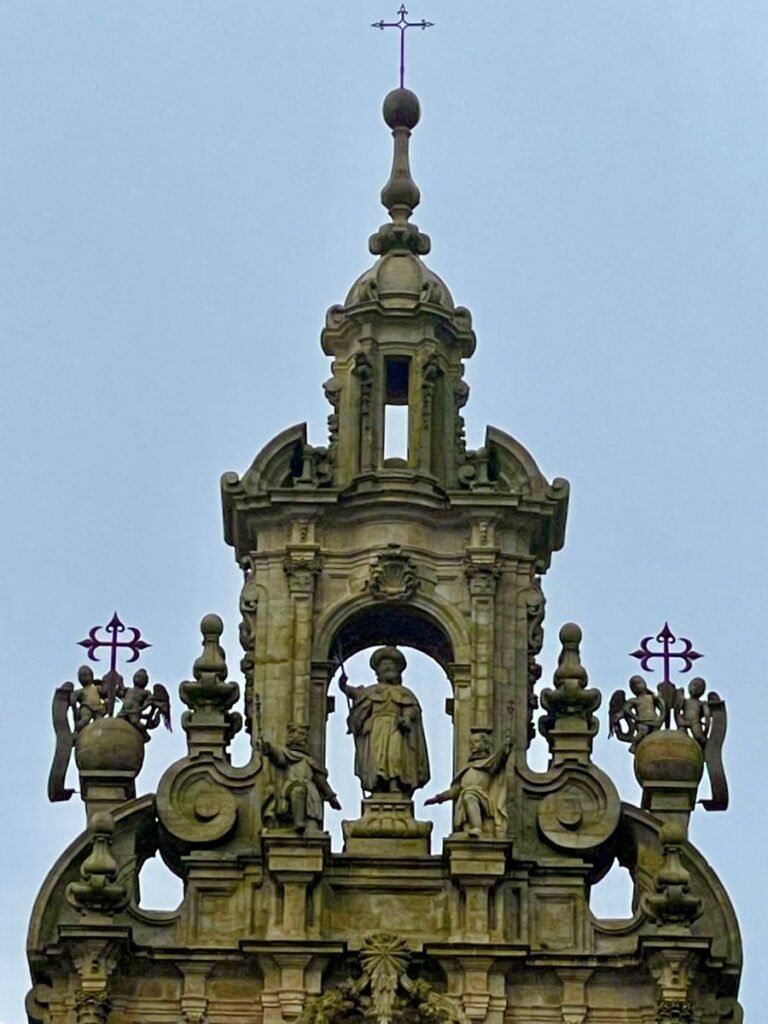
The Cathedral of Santiago de Compostela

Every year, more than 400,000 people from all over the world arrive here — tired, moved, often speechless before the Baroque Obradoiro façade that closes weeks, sometimes months, of walking. It is not just a geographical arrival: it is the moment when the physical journey turns into something else, hard to explain to anyone who has never walked it

The Cathedral of Santiago de Compostela is at once a masterpiece of Romanesque architecture and the stage for one of the most impressive rituals of the Christian faith still alive today. Inside, in the crypt beneath the high altar, rest the remains of the Apostle James — the original reason for the whole pilgrimage — and it is there that the Botafumeiro swings, the huge censer that flies from one side of the nave to the other during the Pilgrim’s Mass, one of the most unique liturgical spectacles in the world.

Mass at the Cathedral of Santiago de Compostela

For many, walking beneath those vaults for the first time is not the end of a journey — it is the beginning of a change that only becomes clear later, at home, weeks or months afterwards: a decision made, a relationship healed, a different way of facing everyday life. On every Ultreya Travel itinerary, living that moment in person — not as a tourist, but as a pilgrim who has completed the Camino — is the high point of the whole experience in Santiago.

“The Cathedral is not the end of the Camino de Santiago — it is the moment when weeks of physical journey turn, in just a few steps, into splendour.“

The transformations of the Camino de Santiago de Compostela

Nobody arrives at the same place they set out from — neither inside nor out. It is the phrase heard most often from those who have walked the Camino de Santiago de Compostela, and it is no exaggeration.

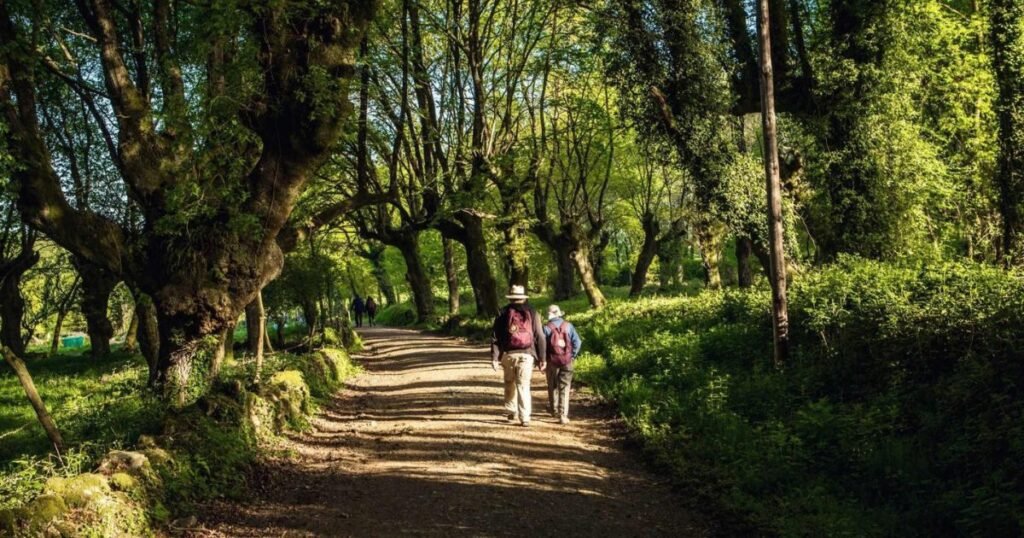
In the first days, the body complains — your feet hurt, your legs tire, sleep comes early. But it is precisely in that tiredness that the mind begins to empty itself of the noise brought from home: work worries, bills and phone notifications give way to something simpler — the next step, the next yellow arrow, the next cup of coffee in an unknown village. Many pilgrims describe this phase as the first great transformation: learning to live one day at a time, in no hurry to arrive.

Then come the encounters. On the Camino de Santiago, people of every nationality, age and story walk side by side for a few hours, share a table, a sore knee, a life story — and disappear the next day, leaving a mark that often lasts longer than friendships of many years. It is not unusual to hear that it was during a ten-minute conversation with a stranger, somewhere between Burgos and León, that the missing clarity about an important life decision finally came.

That is why, even as strangers, two pilgrims still greet each other with a hearty “Ultreia!” on the hardest climbs — the ancient medieval greeting that carries, in just a few syllables, the whole spirit of never walking alone.

And there is the quietest transformation of all — the one that only appears later, at home, weeks or months after Santiago: people who change careers, who heal a relationship that seemed lost, who finally make a decision they had been putting off for years. The Camino does not promise ready-made answers — but it creates the space, far from routine, for the right questions to finally appear.

For those who walk in faith, the transformation gains yet another layer: the Pilgrim’s Mass in Santiago, the embrace of the Apostle’s statue, the Botafumeiro swinging through the Cathedral’s nave — moments many describe as a reunion with a part of themselves that routine had left behind.

“In the end, the question that remains is not “what did I see on the Camino de Santiago de Compostela”, but “who did I become while walking there”.

History of the Camino de Santiago de Compostela

The Miraculous Origin of the Camino de Santiago: From Legend to Holy Year.

The history of the Camino de Santiago goes back to the Middle Ages, specifically to the 9th century, when a shepherd named Pelayo found the remains of the Apostle James. But how did the Apostle come to rest in Galicia? To understand this fascinating story, we must go back to the time of Jesus Christ, when James was one of his closest disciples and a witness to the Messiah’s most decisive moments.

Born in Galilee, the son of Zebedee and Salome, James became known in tradition as “the son of thunder”. After Christ’s death, he devoted himself to proclaiming the Gospel until he reached Hispania, settling in ancient Gallaecia (today’s Galicia) before briefly returning to Palestine. In AD 44 he was martyred on the orders of King Herod Agrippa I, becoming the first Apostle to give his life for the Christian faith.

The Translatio: The Sacred Voyage to Galicia

After his death came the translatio, the transfer of the Apostle’s body to the Galician coast by his disciples Theodore and Athanasius, who defied royal orders to give him burial. Sailing in a boat with neither rudder nor sail, they reached northern Galicia and traveled up the Ulla River — a legendary crossing commemorated every year on 30 December in the Cathedral of Santiago.

The journey led the disciples to Iria Flavia, a territory ruled by the pagan Queen Lupa, who put them through difficult trials before allowing the burial. With the help of oxen made docile through prayer, the animals showed them the exact place of his final rest:

  • Near a spring where they stopped to quench their thirst, in today’s Rúa do Franco.
  • Just 100 meters from the imposing cathedral and Obradoiro Square.
  • In the original tomb known as the Arca Marmárica, built after the queen’s conversion.

The Discovery and the Birth of the First Pilgrim

Centuries later, in 823, the hermit Pelayo saw mysterious lights and beams of stars shining ceaselessly on a spot in the forest. When he reported it to Bishop Theodemir of Iria Flavia, together they found a hidden sarcophagus containing the remains of James and his disciples.

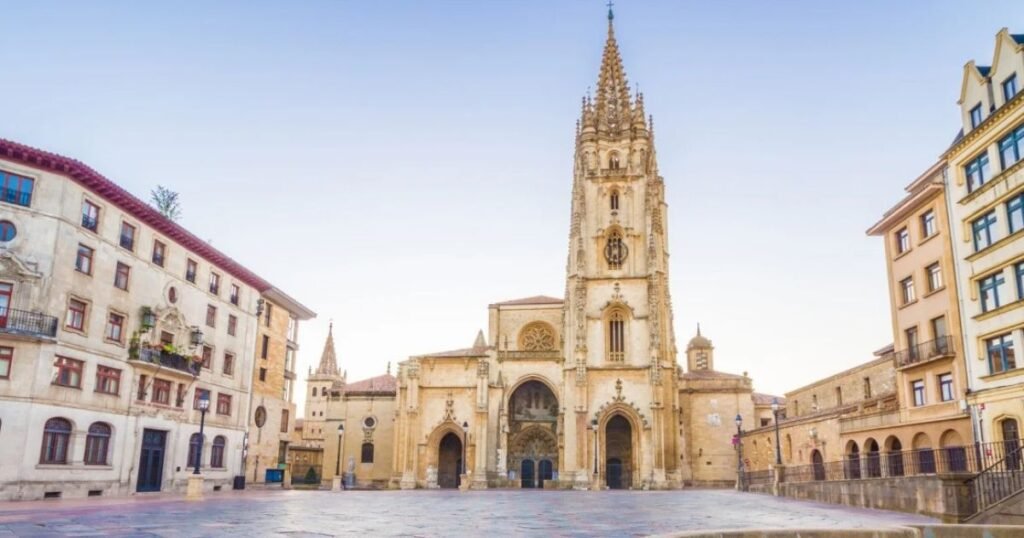
News of the discovery quickly reached King Alfonso II the Chaste, in Oviedo. Moved by the magnitude of the find, the king became the first pilgrim in history, opening the very first route, known today as the Camino Primitivo. He also ordered the construction of the first church, giving rise to the magnificent Cathedral of Santiago and to the city’s name: Campus Stellae (Field of Stars), or Santiago de Compostela.

More than twelve hundred years after the night the hermit Pelayo raised his eyes to the sky, the invitation remains the same: to follow the same shells and the same arrows toward the same Cathedral. What changes is how each pilgrim chooses to walk there — alone, like Theodore and Athanasius in a boat with neither rudder nor sail, or supported, surrounded by others who also seek this sacred journey without giving up comfort.

Camino de Santiago de Compostela: packages

It is said that every pilgrim, before taking the first step, also chooses how they will walk.

Today there are two ways to set out on the Camino de Santiago: walking independently, booking every albergue and every stage yourself — or with support, on an organized package that takes care of accommodation, luggage transfers and all the logistics, so that all you have left to do is walk, discover wonderful places and live moments of reflection and spirituality.

Ultreya Travel prepares self-guided itineraries: you walk at your own pace, with accommodation booked, luggage transferred between stages and 24/7 assistance — designed for those who want to live the 2027 Xacobeo Holy Year without giving up comfort or the soul of the journey.

Ultreya Travel offers self-guided itineraries on the Camino de Santiago de Compostela — with accommodation booked, daily luggage transfers and 24/7 assistance from the first step to the last, designed by someone who has walked the Camino 12 times. For the 2027 Xacobeo Holy Year, the catalog already covers the Camino Francés from Sarria and O Cebreiro, the Camino Portugués from Tui and Porto, the Camino Inglés from Ferrol, the Winter Camino and the Camino Finisterre — and routes such as the Primitivo and the Norte are Ultreya’s next steps.

“When you reach Santiago de Compostela, the Camino de Santiago is only beginning.”

Frequently asked questions about the Camino de Santiago de Compostela

How many days does the Camino de Santiago de Compostela take?

The number of days varies a great deal depending on where you start and your pace — from less than a week (the last 100 km, starting in Sarria) to more than a month for those who walk the full route from France. From Sarria, for example, it is about 115 km, usually walked in 5 to 7 days.

Want to know how many days each route takes? See: How Long Does the Camino de Santiago Take?

The Camino de Santiago de Compostela is the oldest network of pilgrimage routes in Europe, ending at the Cathedral of Santiago de Compostela, in Galicia (Spain), where the remains of the Apostle James lie. It is also the first European Cultural Route recognized by the Council of Europe. Thousands of people walk, cycle or ride there every year — out of faith, as a personal challenge or simply for the love of walking.

It depends on the route and the starting point: the full Camino Francés, from Saint-Jean-Pied-de-Port, is about 780 km long, while those who start in Sarria — the minimum required for the Compostela — walk around 115 km.

All the distances for the main routes in one place: How Many Miles Is the Camino de Santiago?

The Camino de Santiago de Compostela crosses northern Spain (and, on some routes, southern France and northern Portugal too), ending in the city of Santiago de Compostela, in Galicia. The most traditional route, the Camino Francés, starts in Saint-Jean-Pied-de-Port, on the French side of the Pyrenees, and crosses the whole of northern Spain to Galicia.

There are two main ways: independently (arranging your own accommodation, luggage transfers and itinerary) or with a specialist agency that handles all the logistics and supports you while you walk. Ultreya Travel prepares self-guided itineraries designed by its founder, Pablo Machado Soares — born in Brazil, living in Spain for 17 years and with 12 Caminos completed — with accommodation booked, daily luggage transfers and 24/7 assistance throughout the journey.

The traditional starting point of the Camino Francés, the most-walked route of all, is Saint-Jean-Pied-de-Port, a small French town at the foot of the Pyrenees. But you do not need to walk the whole route: many pilgrims start in other towns along the way, such as Roncesvalles, Pamplona, Logroño, Burgos, León, Astorga, Ponferrada, O Cebreiro or Sarria — each shortens the walk but is still part of the official Camino Francés to Santiago de Compostela.

All the routes of the Camino de Santiago de Compostela converge on the same destination: Obradoiro Square, in front of the Cathedral of Santiago de Compostela, in Galicia. It is there that pilgrims usually live the most moving moment of the journey — many arrive early in the morning, in time for the Pilgrim’s Mass.

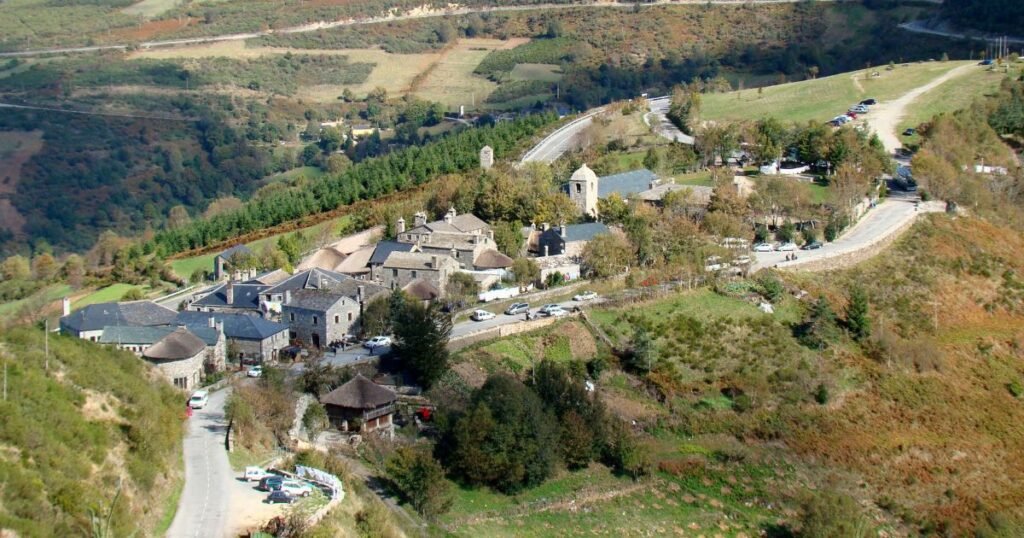
For those who want to walk fewer kilometers and still receive the Compostela — the official pilgrim certificate — the minimum distance is 100 km on foot, and the most popular starting point for it is Sarria, in Galicia, about 115 km from Santiago. That is why Sarria is one of the busiest towns on the whole Camino Francés.

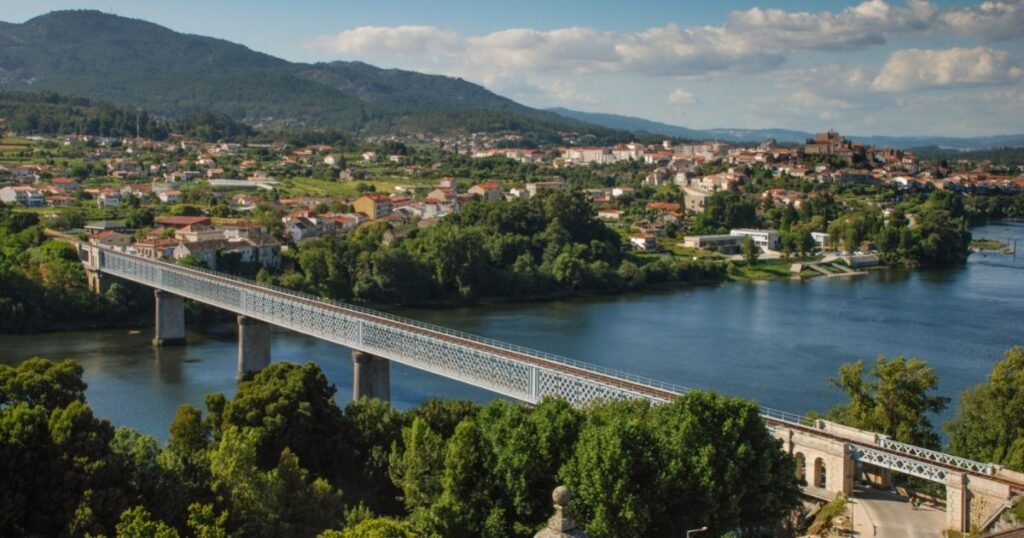
The Camino Portugués has several possible lengths, depending on the starting point (Lisbon, Porto or Tui, for example) — the shortest section, from Tui, usually takes 5 to 6 days of walking.

Every pilgrim has their own reason — faith, a personal turning point, or simply a genuine wish to walk for weeks without hurrying. What most discover halfway is that the reason changes along the way: those who start for the physical challenge usually finish for a far more personal one.

April, May, June, September and October are usually the most recommended months: milder temperatures, long days of daylight and fewer pilgrims than in July and August, the high season. Winter is possible but requires more preparation — some mountain stages can close because of snow.

The golden rule is to pack light: a well-chosen backpack, trainers or boots you have already broken in — never new on the Camino — quick-drying technical clothing and a rain jacket are the essentials.

The options range from albergues — where you sleep in bunk beds in shared dormitories, usually mixed (men and women in the same room), and cheaper — to hotels and rural guesthouses with private rooms. On Ultreya Travel’s self-guided itineraries, the accommodation for each stage is already booked — you only need to walk to it.

The Cruz de Ferro stands at the highest point of the whole Camino Francés, at about 1,500 meters above sea level, on the stretch between Foncebadón and Ponferrada. Tradition says each pilgrim leaves a stone brought from home there — a symbol of leaving a burden behind before continuing the journey.

The final destination of the Camino de Santiago — the city of Santiago de Compostela — is in Spain, in the region of Galicia. But, depending on the route, the Camino also passes through France (Camino Francés) or Portugal (Camino Portugués) before entering Spanish territory.

According to legend, the remains of the Apostle James were found by a hermit guided by a field of stars — which is said to have given rise to the name “Compostela”, from the Latin campus stellae, “field of stars”. The discovery, in the 9th century, turned the site into one of the most important pilgrimage destinations in Christendom.

Every year, more than 400,000 people from all over the world receive the Compostela in Santiago — pilgrims of every age, nationality and motivation, walking alone, as a couple, with family or in a group. The tradition goes back more than a thousand years, with records of pilgrims traveling these routes in the Middle Ages.

Yes — the best known is the 2010 film starring Martin Sheen, about a father who decides to walk the Camino Francés in honor of his son. It is a good way to get a feel for the journey before deciding whether walking it is right for you.

The scallop shell, the official symbol of the Camino de Santiago, is sold in almost every town along the route — in souvenir shops, albergues and even at some credencial points. In the Middle Ages it was the proof pilgrims brought home to show they had truly completed the journey to Santiago.

Beyond the physical route, the Camino de Santiago carries a meaning each pilgrim builds in their own way — from a journey of faith to a process of self-discovery. The expression “Ultreia et Suseia“, used by pilgrims since the Middle Ages, means “further on and higher up”: an invitation to keep going, even when the stage is hard.

Beyond the physical route, the Camino de Santiago carries a meaning each pilgrim builds in their own way — from a journey of faith to a process of self-discovery. The expression “Ultreia et Suseia“, used by pilgrims since the Middle Ages, means “further on and higher up”: an invitation to keep going, even when the stage is hard.

On the Camino Francés, the most-walked route, pilgrims pass through towns such as Saint-Jean-Pied-de-Port, Roncesvalles, Pamplona, Logroño, Burgos, León, Astorga, Ponferrada, O Cebreiro, Sarria and Arzúa before reaching Santiago de Compostela — each with its own landscape, food and history.

Yes, many — from pilgrims’ personal accounts to practical route guides. They are a good way to prepare mentally for the journey before shouldering your backpack, understanding what to expect from each stage.

For first-timers, the Camino Francés is usually the most common recommendation: it is the best-organized route, with the best accommodation and waymarking, and it is also the most walked — which means more company and more support along the way. On Ultreya Travel’s self-guided itineraries, you live that first experience of the Camino de Santiago de Compostela with all the logistics taken care of and 24/7 assistance from a pilgrim who lives in Spain and has walked the Camino Francés 12 times.

The Camino de Santiago is one of the oldest and most important pilgrimages in the Christian world, with more than a thousand years of history, and today it is also a UNESCO World Heritage Site and the first European Cultural Route. Its fame has grown even more in recent decades, with books, documentaries and films telling the stories of those who have walked it.

Ultreya Travel
Privacy Overview

This website uses cookies to give you the best possible experience. Strictly necessary cookies are always active; all other cookies are only used if you consent. You can change your choice at any time.